
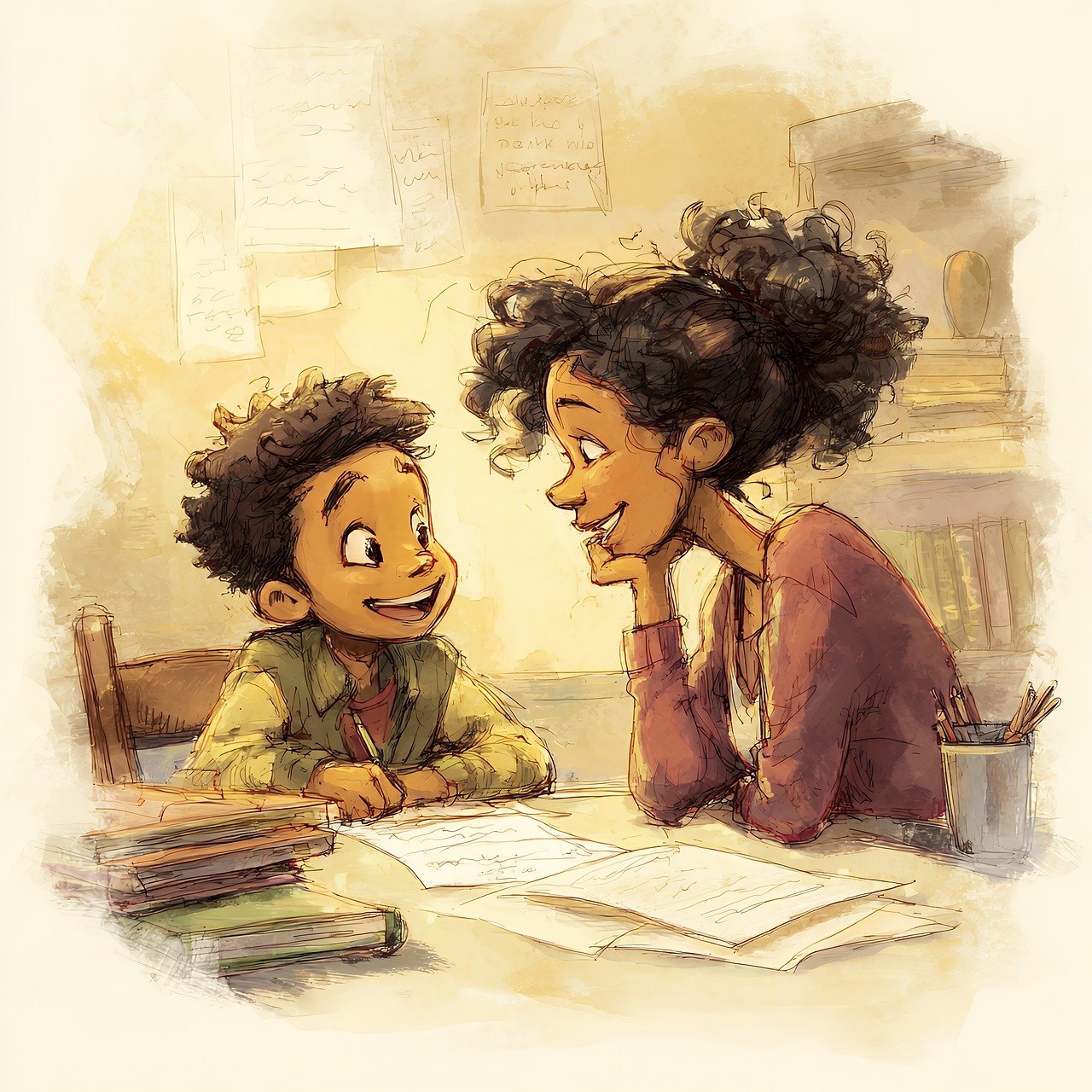
Parentkind: Boost Your Child’s School Journey With These Tips
Welcome to your comprehensive parentkind guide designed to support your child through their school journey. Starting school is a significant milestone, and this resource is packed with practical advice and tips to help you navigate the challenges and ensure your child thrives. From understanding school readiness to getting more involved in school life, we’re here to help parents engage every step of the way, fostering a strong home and school connection.
Understanding School Readiness
School readiness encompasses more than just academic knowledge; it’s about a child’s emotional, social, and practical skills. To be truly ready, a child often demonstrates several key abilities, including:
- The confidence to explore the classroom.
- The communication skills to interact with their teachers and peers.
- The independence to manage basic tasks.
As a parent, understanding these different facets of school readiness is the first step in how you support your child’s smooth transition into primary school.
What Does It Mean to Be School Ready?
To be school-ready means a child is equipped with the necessary skills and mindset to succeed in a school environment. This readiness touches on several key areas, including:
- Being emotionally secure
- Being socially adjusted
- Possessing a basic level of academic understanding
This includes the ability to follow simple instructions, share with others, and show curiosity about learning. When a child is school-ready, they are more likely to embrace the opportunities for growth and development that school offers.
Key Milestones for Your Child’s Development
There are learning milestones that will help your little one get off to a great start at school. Teaching your little one a few practical self-care skills before school starts can make a big difference. Tracking these milestones provides valuable insights into your child’s progress and highlights areas where you can offer additional support. These milestones cover various areas, including cognitive development, language acquisition, social-emotional growth, and fine and gross motor skills.
Assessing Your Child’s School Readiness
Assessing your child’s school readiness involves observing their behaviour, communication skills, and ability to handle basic tasks. As a parent, you can support your child’s education by working together with your child’s teachers in parent-teacher meetings to better understand your child’s learning progress. This can be done through informal activities at home, such as reading together, playing educational games, and encouraging them to express themselves.
Parentkind: Boost Your Child’s School Journey With These Tips
Welcome to your comprehensive parentkind guide designed to support your child through their school journey. Starting school is a significant milestone, and this resource is packed with practical advice and tips to help you navigate the challenges and ensure your child thrives. From understanding school readiness to getting more involved in school life, we’re here to help parents engage every step of the way, fostering a strong home and school connection.
Understanding School Readiness
Being school-ready encompasses more than just academic knowledge; it’s about a child’s emotional, social, and practical skills. School readiness means a child has the confidence to explore the classroom, the communication skills to interact with their teachers and peers, and the independence to manage basic tasks. As a parent, understanding these different facets of school readiness is the first step in how you support your child’s smooth transition into primary school.
What Does It Mean to Be School Ready?
To be school-ready means a child is equipped with the necessary skills and mindset to succeed in a school environment. It encompasses several key areas, including:
- being emotionally secure,
- being socially adjusted, and
- possessing a basic level of academic understanding.
This includes the ability to follow simple instructions, share with others, and show curiosity about learning. When a child is school-ready, they are more likely to embrace the opportunities for growth and development that school offers.
Key Milestones for Your Child’s Development
There are learning milestones that will help your little one get off to a great start at school. Teaching your little one a few practical self-care skills before school starts can make a big difference. Tracking these milestones provides valuable insights into your child’s progress and highlights areas where you can offer additional support. These milestones cover various areas, including cognitive development, language acquisition, social-emotional growth, and fine and gross motor skills.
Assessing Your Child’s School Readiness
Assessing your child’s school readiness involves observing their behaviour, communication skills, and ability to handle basic tasks. As a parent, you can support your child’s education by working together with your child’s teachers in parent-teacher meetings to better understand your child’s learning progress. This can be done through informal activities at home, such as reading together, playing educational games, and encouraging them to express themselves.
Tips for Parents to Support Learning at Home
Creating a Learning-Friendly Environment
To boost your child’s learning at home, establish a consistent study space that encourages focus and minimises distractions. Consider your child’s school needs when creating their study space. Is there enough encouragement at home to help them better academically? This involves ensuring good lighting, comfortable seating, and necessary school supplies. This practical tip can make a significant difference to your child’s education.
Incorporating Fun Learning Activities
Enhance learning at home by integrating fun activities that spark curiosity and engagement. Turn homework into an interactive activity that will support your child, like reading and simple math problems. Explore educational games, conduct science experiments, or create art projects related to school lessons. This encouragement of a fun learning journey keeps children engaged and reinforces concepts memorably. As a parent, consider a school-ready guide.
Utilising Resources and Tools for Home Learning
Maximise your child’s learning potential by utilising the various resources and tools available for home learning. Engage with helpful guides, educational websites, and webinars designed for parents who support their child’s learning. Collaborate with your child’s teachers to find resources that align with the school curriculum. Parentkind resources, with a guide for parents, are engaged in their child’s education.
Navigating the First Day of School
Preparing Your Child Mentally and Emotionally
The first day of school is a big step for your child starting primary school. Ensure your child is ready to face a new school. Starting school for your child is a transition that is full of learning. Discuss what to expect, read books about starting school, and practice the school routine. Validate their feelings and provide reassurance, focusing on the positive aspects of attending school.
What to Expect on the First Day
On the first day of school, you can expect a mix of excitement and nerves from your child. New students may be greeted by teachers and staff who help them find their classroom. There will be new faces, new learning spaces, and new routines to navigate. Be prepared for a potentially emotional goodbye at the school entrance, and trust that the school community is there to support your child.
Tips for Parents to Ease Transition Anxiety
Ease transition anxiety for both you and your child by preparing in advance and staying positive. Attend orientation sessions to familiarise yourselves with the school environment. Establish a consistent morning routine to reduce stress on the first day of school. Volunteer in your child’s classroom or join the PTA to meet other parents, fostering a sense of community and involvement in school life.
Engaging with Other Parents and the School Community
Benefits of Meeting Other Parents
Meeting other parents can make a real difference to your wellbeing as you navigate the ups and downs of your child starting school. As you share experiences and practical tips with other parents in your school community, you’ll feel less alone and more supported. It’s an opportunity to learn from others, gain new perspectives on parenting, and build a valuable support network. Remember, making new friends isn’t just for the children; as a parent, you’re on a learning journey too.
Ways to Get Involved in Your Child’s School
There are numerous ways parents are engaged to get more involved in their child’s school and enhance their school life. Volunteering for your PTA is a great way to meet other parents, support your child’s education, and contribute to a positive learning environment. The school community thrives with parent involvement. By getting more involved, you will support your child. Your active participation shows your child that you value their learning and are invested in their academic success. These activities show your child the importance of education.
Participating in School Events and Webinars
Participating in school events and webinars is a fantastic way to support your child’s school and stay informed about their academic journey. PTA events, for example, provide opportunities to meet other parents, engage with teachers, and show your child that you are invested in their learning. Attending webinars can offer practical advice and strategies to support your child’s progress. By attending these functions, you become an active member of the school community.
Using Guides and Resources for Continuous Support
School Ready Guide: What You Need to Know
A school-ready guide is an invaluable resource for parents who are looking to support their child’s smooth transition to primary school. A comprehensive guide offers practical tips and advice on everything from preparing your child emotionally to understanding school policies and routines. As a parent, this resource is designed to help you navigate the challenges and ensure your child feels confident and prepared on their first day of school.
Finding Webinars and Workshops for Parents
Finding webinars and workshops designed for parents offers ongoing support and valuable insights into navigating the parenting journey. These resources are often led by experts and cover a wide range of topics, from managing school anxiety to fostering a love of learning. By attending these webinars, you can gain practical skills and knowledge to support your child’s learning and development. A useful guide for a parent!
Utilising Online Resources for Ongoing Learning
There are numerous online resources available to support your child’s learning and development throughout their school journey. These resources offer practical advice, tips, and activities to help you create a supportive home and school environment. From educational websites to interactive learning tools, these resources are designed to help you support your child. By utilising these online tools, you can actively support your child’s learning.
Further Resources
- Parentkind – supporting parents on their journey back to education (Homepage)
- Parentkind Resources – guides and toolkits for parent carers
- Parentkind Membership – join for support and local networks
- Parentkind Training – workshops and courses for parent reps
- GOV.UK – Adult education and learning opportunities
- National Careers Service – career advice and course search
- The Open University – flexible higher education for adult learners
- FutureLearn – free and paid online courses from universities
- Coursera – online courses and professional certificates
- UCAS – applying to higher education in the UK
- GOV.UK – Help with childcare costs
- Childcare Choices – compare childcare support offers
- Turn2us – financial support and benefits checker
- Citizens Advice – practical help on benefits, funding and rights
- NHS – mental health and wellbeing support for parents and carers

0 Comments